ETH Options Dashboard
People searching for an ETH options dashboard usually want a practical Ethereum options interface, not a broad category page. This route gives that intent a direct landing spot and hands the visitor into the live ETH workflow.
Focus the search entry around Ethereum options structure.
Keep strike and expiry context visible alongside IV.
Turn dashboard intent into live product discovery.
Definition
What an ETH options dashboard should actually show
An ETH options dashboard should make Ethereum structure readable without making the user dig through every contract manually. Traders usually want active strikes, expiry filters, open interest, IV context, and a clear sense of what part of the chain deserves attention.
That makes the dashboard keyword useful for SEO. It captures a more interface-oriented query than a pure open-interest page, while still fitting the same product funnel.
Use Cases
Why this dashboard page exists
- -Match ETH options dashboard intent directly.
- -Explain what a useful Ethereum dashboard should surface.
- -Push users from search into the live market page and related feature pages.
- -Broaden the Ethereum options keyword cluster beyond open-interest terms alone.
Platform View
How dashboard users usually read the page
Current chain focus
Most users want to start with the active part of the Ethereum chain, not an undifferentiated full dump of contracts.
Expiry clarity
An ETH options dashboard should make it easy to compare near-dated and farther-dated positioning without hiding the relevant rows.
Volatility context
Ethereum options users often need IV context close to the same strikes and maturities they are already inspecting.
Screenshot
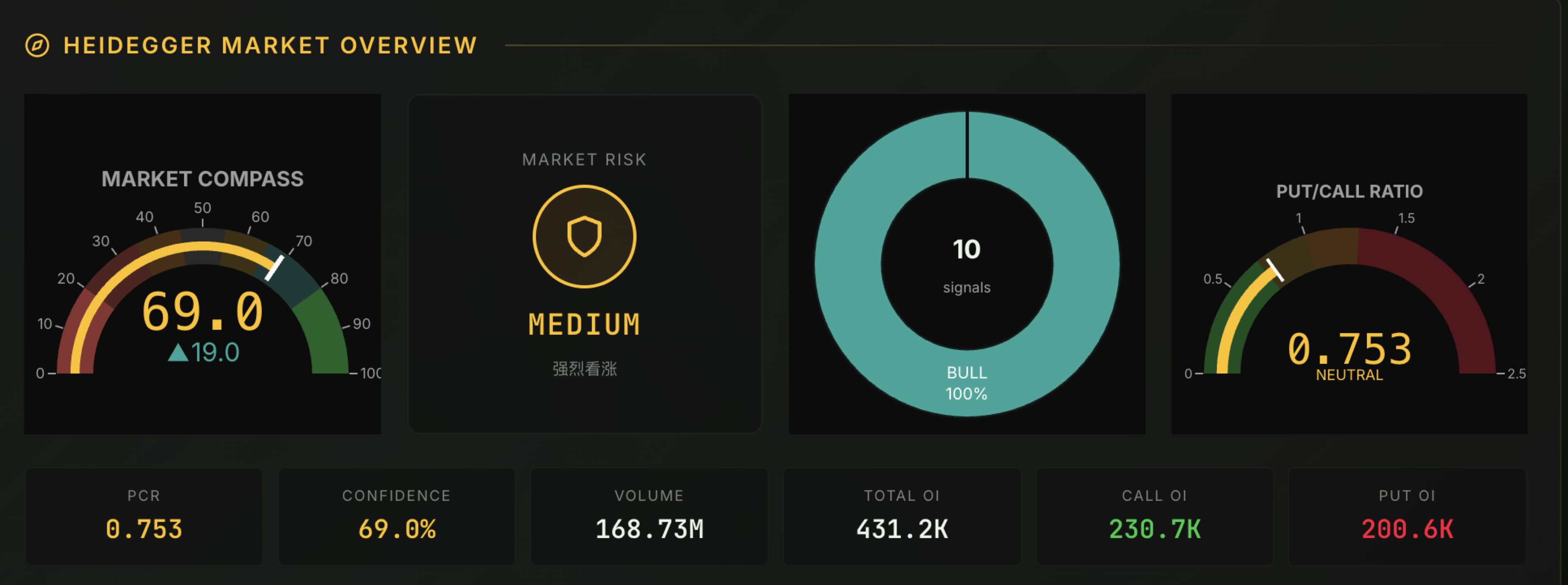
A dashboard-style Ethereum market entry
This page uses the dashboard query to pull Ethereum search traffic into the same live market workflow, with a clearer explanation of what dashboard users usually want.
FAQ
Common questions
What should an ETH options dashboard include?
Most traders want strike visibility, expiry filters, open interest, volatility context, and enough live-chain information to judge whether the visible contracts matter right now.
Why build a separate ETH dashboard page?
Because dashboard search intent is more interface-oriented than analytics or open-interest intent. The page should therefore feel closer to a live product entry.
How does this differ from the ETH open interest page?
The ETH open interest page leans into positioning structure. The dashboard page leans into how the user approaches the interface and reads the chain in practice.
Related Pages
Keep the topic cluster connected
Next Step
Use dashboard intent as an Ethereum entry point
A dashboard page should answer the query directly and then move the visitor into the live ETH workflow where the same structure can be inspected in detail.